
Core of the Heart Daily
Core of the HeartLifestyle
4.91.38K Reviews
- Version
- 1.3.0
- Installs
- 100.00K
- Age Rating
- Everyone
Screenshots

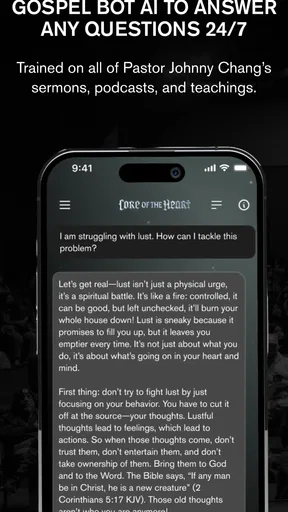
Our Review of Core of the Heart Daily
 Analysis by Appyee
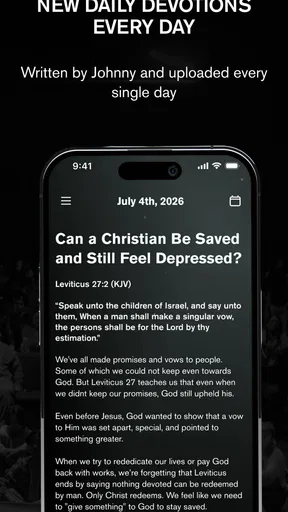
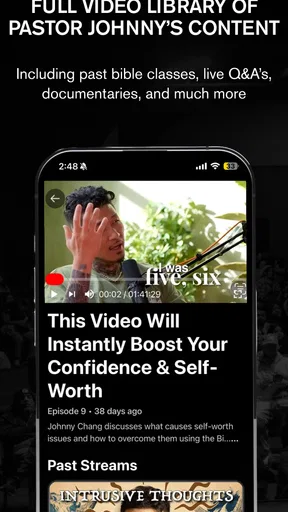
I approached Core of the Heart Daily as a lifestyle app for people who want faith-based guidance to fit into ordinary routines rather than remain limited to a weekly appointment or a printed devotional. Its focus is a combination of live mentorship classes and daily devotions by Johnny Chang, which gives it a different rhythm from a simple reading app. In my experience, that combination is the main reason to consider it: you can use a short devotional moment when your day is busy, then return for a more involved learning experience when you have the time and attention.
The app is developed by Core of the Heart and is free to install, with optional in-app purchases that range from around 33 dollars to over 800 dollars per item. That pricing range matters because the basic download and the deeper paid offerings should not be treated as the same commitment. I would start with the free experience, understand how the daily material fits my habits, and only then think carefully about whether a paid class or program is worthwhile. The app is rated for Everyone, runs on Android 7.0 or later, and its current version is 1.3.0.
Its audience is fairly clear. This is best suited to someone who wants structured Christian reflection, is interested in learning through a named mentor, and can sometimes make room for live instruction. It is less suitable for a person looking only for a silent meditation timer, a broad interfaith resource, or an entirely self-directed Bible-reading tool. I found that distinction useful because the app feels more personal and guided than many general lifestyle downloads, but that same focus can make it feel narrower if your needs are different.
How the app feels to read and navigate
I use this section to look beyond whether the devotional text is readable and consider how the app’s two formats ask for different kinds of attention. That distinction can help you decide when a quick daily visit is enough and when a live class deserves a more deliberate setup. It also leads into practical adjustments for people whose devices, abilities, or surroundings shape how comfortably they can take part.
A focused daily starting point
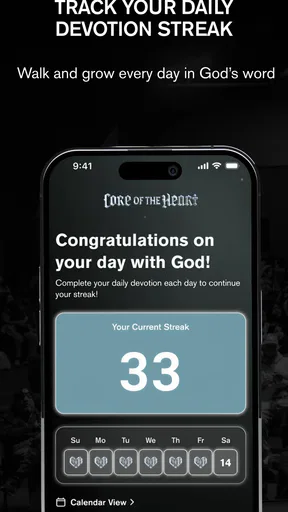
The daily devotion format gives the experience a natural entry point. Instead of asking me to decide among a large library before I know what I want, it encourages a repeatable habit: open the app, spend time with the day’s material, and continue with the rest of life. That kind of structure is valuable for users who find large collections tiring or distracting. It also makes the app easier to approach after a long day, when choosing the “right” lesson can become a barrier by itself.
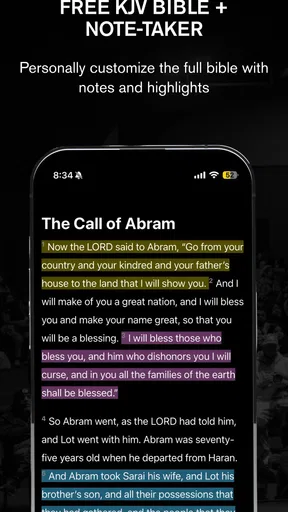
I would not describe the app as a replacement for a full study platform. Its strength is the guided devotional moment and the connection to live mentorship, not the feeling of an enormous reference archive. A reader who likes to compare translations, follow extensive cross-references, or build a detailed personal research system may prefer a dedicated Bible app alongside it. Core of the Heart Daily works better as a companion for reflection and teaching than as a complete study desk.
Reading comfort depends on the device and setting
For readability, I would use it in a calm setting rather than while moving through a crowded commute. Daily devotional content asks for enough attention to absorb the message, and live classes require even more concentration. A phone screen can be perfectly practical for a short reading, but people with low vision, visual fatigue, or a strong preference for large text should test the experience during the first few sessions. The important question is not simply whether the words are visible; it is whether they remain comfortable after several minutes.
I also recommend separating the devotional routine from notification-heavy moments. If I open a reflective app while answering messages, switching between work tasks, and checking other alerts, the content becomes something I skim instead of something I process. A useful personal workflow is to choose one consistent place, silence unrelated interruptions, and treat the daily material as a small appointment. That is not a flashy feature, but it makes the app considerably more useful.
Live classes change the navigation needs
The live mentorship side introduces a different kind of navigation challenge. A daily reading can be paused and revisited at my own pace, while a live class has a beginning, a schedule, and a stronger need for preparation. I would check the relevant class details before committing time, especially if I need captions, a quiet environment, a larger screen, or another person’s assistance. The app’s value is higher when the live element fits realistically into my calendar instead of becoming an obligation I repeatedly miss.
For users who process information slowly, the contrast between these two parts is important. The devotional side can support a measured pace, while live teaching may be less forgiving if the presentation moves quickly. Someone who benefits from replaying material, taking long notes, or pausing frequently should consider whether the live format matches their learning style. If not, the daily content may still be worthwhile, but the mentorship component may not be the best part of the experience for them.
Different abilities, environments, and practical routines
Here I turn the app’s reading and mentorship options into everyday choices, from a low-energy day at home to a change in routine while travelling. I focus on adapting the length and setting of a session rather than forcing the same approach every time. That makes it easier to see which users may find the format flexible and where a different resource could be more comfortable.
Motor considerations during everyday use
Short devotional sessions are easier to fit around limited hand movement than long, interaction-heavy activities because the user can keep the task simple: open, read, listen if an available option suits the device, and close. I would still avoid using the app while walking or carrying something, since divided attention makes both navigation and reflection harder. People with tremors, reduced dexterity, or fatigue may find a phone stand and a stable surface more comfortable than holding the device throughout a session.
A practical adjustment is to plan the app around energy rather than intention. On a day when concentration and hand control are limited, I would choose the smallest meaningful interaction instead of trying to complete a full class. On a better day, I could reserve more time for mentorship. This makes the experience more sustainable than treating every session as a test of discipline. The app supports a habit best when the habit can bend without disappearing.
Users who rely on switch access, screen readers, voice control, or other assistive technologies should test their preferred setup directly. I would not assume that a lifestyle app designed around devotional reading and live teaching will behave exactly like a dedicated accessibility tool. The most honest approach is to check whether essential controls, lesson text, and class-related actions are workable with the tools you already use. If one part creates friction, a companion device or a different reading method may help, but the core interaction still needs to be manageable.
Sensory load and the difference between quiet and live content
The daily format can be a good fit for someone who wants a predictable, low-pressure pause, but live classes may bring more sensory variables. Timing, audio, visual presentation, and the presence of other activity can all affect comfort. A person sensitive to sound or visual stimulation may prefer to use the devotional material in a quiet room and approach live sessions selectively rather than assuming both parts will feel identical.
I found it useful to think of the app in two modes. The first is private and reflective: a small amount of content, a controlled setting, and no need to keep up with anyone else. The second is scheduled and instructional: more commitment, more attention, and potentially more difficulty if the environment is noisy or unpredictable. That distinction helps users with sensory sensitivities make a realistic plan instead of judging the entire app from one type of session.
For people who are hard of hearing or who do not process spoken teaching easily, the live format deserves particular care. I would look at the available presentation options inside the app and on the device before registering for a paid experience. If the material depends heavily on real-time listening, it may be less accessible than written devotional content. Conversely, someone who struggles with extended reading may find guided teaching easier to follow than a long text. The right choice depends on how each person receives information.
Situational access: fitting faith practice into real life
The strongest everyday use case is a person with an unpredictable schedule who still wants a consistent spiritual routine. Imagine opening the app during a quiet breakfast, reading the devotion before work, and returning to a mentorship class on a day when the evening is genuinely free. That split approach feels more realistic than demanding a long session every day. It also lets the user preserve the daily habit even when a live class is not possible.
Another useful scenario is travel or a temporary change in routine. A short devotional can provide continuity when a person is away from their usual community or does not have access to a familiar study group. I would still plan around connectivity, battery life, and privacy rather than assuming a live class will be convenient everywhere. A hotel room may be quiet enough for reading but unsuitable for speaking or participating in a scheduled session. The app is more flexible when the user treats the two formats differently.
It can also suit someone who is new to structured Christian mentorship and wants a guided starting point. The presence of Johnny Chang gives the experience a recognizable teaching voice, which may feel more approachable than assembling material from unrelated sources. At the same time, users who prefer several perspectives should supplement it with other resources. A single mentor can provide consistency, but consistency and breadth are not the same thing.
The Everyone age rating makes the app broadly approachable from an age-classification standpoint, but that does not mean every lesson will match every family’s preferences or every person’s maturity. Parents and caregivers should still decide whether the teaching style and subject matter suit the individual using the device. For older adults, the app may be appealing if the daily routine is simple and the text is comfortable to read; a larger screen could make the experience easier than a small phone.
Where it compares well with familiar alternatives
Compared with a standard devotional book, the app offers a more immediate connection to live mentorship and removes the need to carry a physical volume. That is useful for people who already keep their phone nearby and want teaching to be part of the same daily environment. A book may still be better for someone who wants to underline freely, avoid screen fatigue, or keep a permanent offline object for reflection.
Compared with a general Bible app, Core of the Heart Daily appears more intentionally guided. A broad Bible app usually wins for searching, cross-referencing, and building a personal reading plan, while this one is more attractive when the user wants a focused devotional direction and access to mentorship classes. I would not choose it as my only religious reference if detailed study tools were central to my routine.
Compared with a podcast or video channel, the app offers a more dedicated setting for this particular teaching experience. That can reduce the distraction of unrelated recommendations, but it may also mean less flexibility if I want to consume content in any order or through a familiar media player. Someone who already has a reliable devotional podcast habit may not need another destination unless the live classes and the specific teaching approach add something meaningful.
Remaining barriers before committing
The largest practical barrier is the difference between free access and the possible cost of deeper offerings. Because individual in-app purchase prices can reach from around 33 dollars to over 800 dollars, I would never make a purchase simply because the free app feels promising. I would first identify exactly what the purchase includes, how it fits my schedule, and whether I am likely to use the mentorship consistently. A high-priced commitment is difficult to justify for a person who only wants occasional daily inspiration.
That pricing also affects accessibility in a broader sense. People with limited income, caregivers with unpredictable schedules, and users who cannot attend live sessions regularly may receive less value from an expensive program even if they appreciate the devotional material. The free starting point is helpful, but it does not remove the need to evaluate the paid path carefully. I would treat the app as a trial of fit, not as an automatic reason to enroll.
Another barrier is dependence on attention and timing. A live class can be harder to access than a written devotion for people working shifts, managing health conditions, caring for children, or living with fluctuating energy. The app’s concept is strongest when the user can choose between a small daily practice and a scheduled learning opportunity. If the live side becomes the main reason to install it, I would verify that the schedule is compatible before investing emotionally or financially.
There is also a risk of narrowing one’s routine too much around a single source. I appreciate the clarity of a consistent mentor, but I would not want the app to replace every other form of study, community, or personal reflection. Users seeking denominational variety, academic analysis, or a wide range of voices may find a broader platform more suitable. That is not a flaw in the app’s focused identity; it is simply an important trade-off.
My inclusive verdict
After using it as a lifestyle tool rather than expecting it to be a complete study system, I see Core of the Heart Daily as a thoughtful option for people who want daily devotion paired with the possibility of live mentorship. Its strongest quality is the way those two time scales work together: a small, repeatable practice for ordinary days and a deeper class when circumstances allow. That makes it more adaptable than a purely scheduled program, even though the live element still creates real access challenges.
I would recommend starting with short sessions, using a stable device position, choosing a quiet environment, and testing the reading and class experience with any assistive technology you depend on. I would also keep the free experience separate from the decision to buy. That approach answers the most important practical questions early: Can I read comfortably? Can I follow the teaching format? Does the timing work? Do I actually return often enough to justify a paid option?
The app has earned an average rating of 4.9 from around 12 thousand ratings, and it has passed 100 thousand installs, which suggests that its focused approach has connected with a substantial audience. Those figures do not replace personal testing, especially for users with specific sensory, motor, financial, or scheduling needs. Still, they help explain why the app is worth a closer look for its intended audience.
My final view is positive but selective. I would suggest it to a friend who wants Christian devotional guidance from Johnny Chang, appreciates a structured daily rhythm, and is curious about live learning. I would steer someone toward a conventional Bible study app if searching and cross-referencing matter most, or toward a book or audio service if screen-free flexibility is essential. For users who can balance its reflective material with the demands of live participation, the best reason to try it is not the promise of doing more, but the chance to make a meaningful practice easier to return to.
Verdict
Strengths of Core of the Heart Daily
- Simple daily format makes it easy to build a consistent reflection habit.
- Heart-focused prompts encourage gratitude, self-awareness, and emotional growth.
- Short sessions fit well into busy mornings or evening routines.
- Personal reflections can offer a private space to process daily feelings.
- Gentle content may appeal to users seeking calm, values-based guidance.
Limitations of Core of the Heart Daily
- Some prompts may feel repetitive after extended daily use.
- The reflective approach may not suit users seeking practical task tools.
- Benefits depend heavily on regular engagement and honest participation.
- Users wanting detailed progress tracking may find the features limited.
- Spiritual or emotional themes may not appeal to every audience.
Similar Picks in This Category
View All
SmartThings
Samsung Electronics Co., Ltd.4.6

Google Home
Google LLC4.0

Pinterest4.2

Astrotalk - Talk to Astrologer
Astrology & Horoscope4.7

My Verizon
Verizon Consumer Group4.5

Samsung Wallet (Samsung Pay)
Samsung Electronics Co., Ltd.4.1
Frequently Asked Questions
What is Core of the Heart Daily?
Core of the Heart Daily is a wellness and personal-growth app designed to encourage regular reflection, emotional awareness, and healthier daily habits. Its content appears to focus on short, guided activities that can be used as part of a morning or evening routine. Before downloading, users should review the current app description to confirm the exact features, supported devices, and whether the available content matches their personal or spiritual interests.
How does Core of the Heart Daily work?
After opening the app, users can typically explore daily material, prompts, or guided exercises intended to support mindfulness and self-reflection. The experience is most useful when used consistently rather than occasionally, since the daily format encourages users to build a routine. Some features may require creating an account, enabling notifications, or completing an in-app setup process, so checking the permissions and onboarding screens is recommended.
Is Core of the Heart Daily free to download and use?
The application may be available as a free download, but certain content or advanced features could be restricted behind subscriptions, purchases, or optional upgrades. Users should carefully read the pricing information shown in the Google Play Store or Apple App Store before confirming a purchase. It is also important to check whether a free trial automatically changes into a paid subscription and how cancellation is handled.
Is Core of the Heart Daily suitable for mental-health support?
Core of the Heart Daily may be useful as a supplementary tool for reflection, encouragement, or general emotional well-being, but it should not be treated as a replacement for professional medical or psychological care. People experiencing serious distress, anxiety, depression, or thoughts of self-harm should contact a qualified professional or an appropriate emergency service. Users should also verify how the app presents wellness advice and personal-data information.
What privacy and device permissions does Core of the Heart Daily require?
The permissions required can vary depending on the platform and the app version. A daily wellness app may request notification access to send reminders, while account-related features could involve collecting profile information or usage data. Before installing, review the developer’s privacy policy and the store listing to understand what information is collected, why it is used, whether data is shared, and how an account can be deleted.
